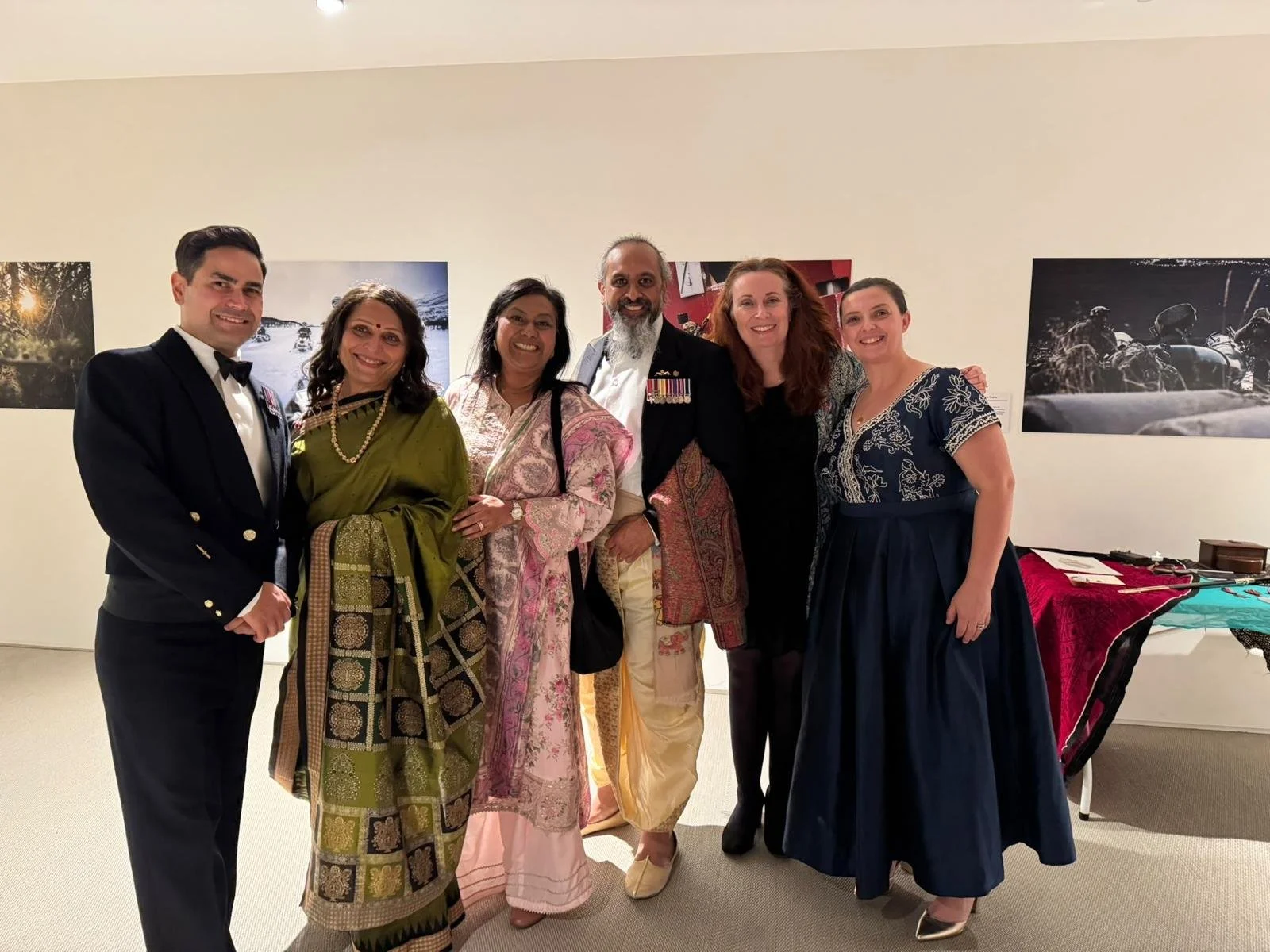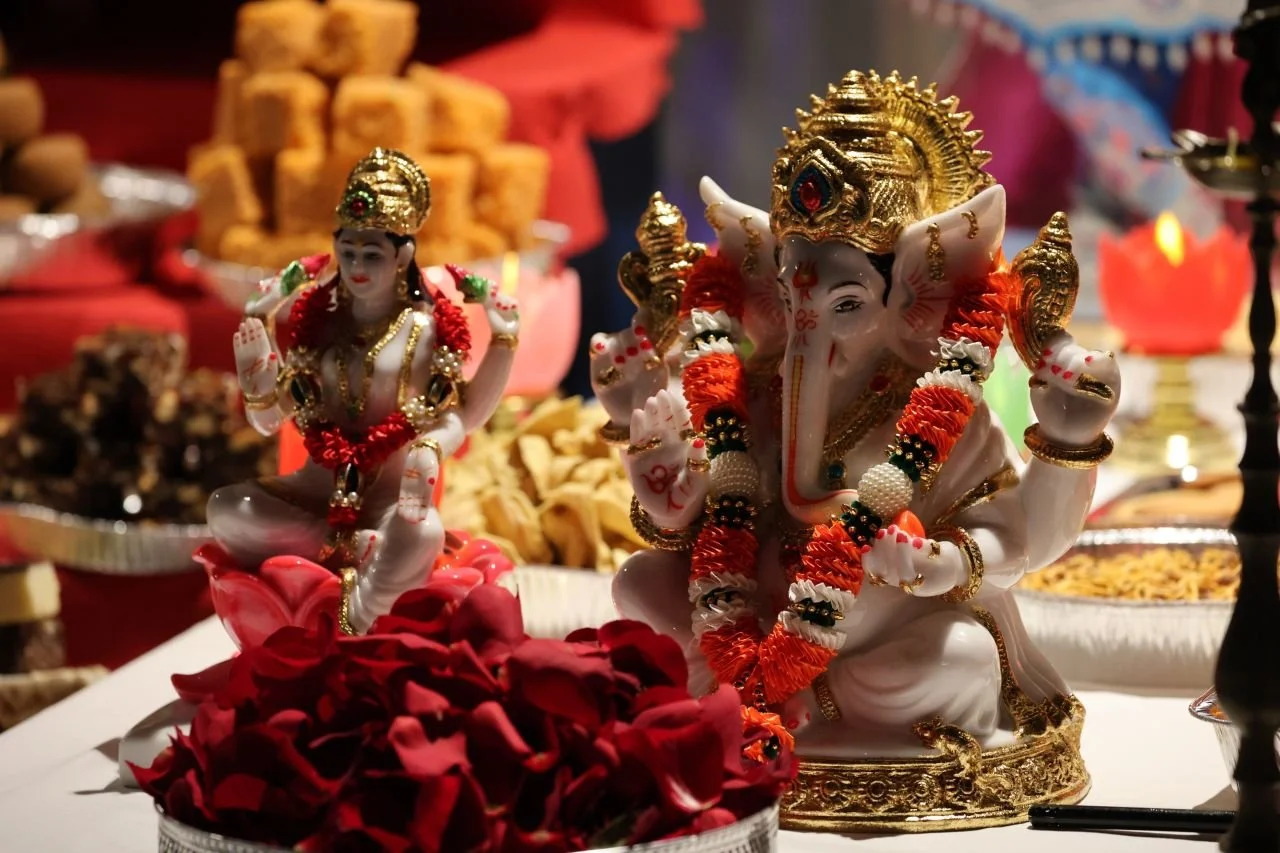
Last week, I had the pleasure of being involved in Defence Diwali 2026, held at the Royal Marines Experience in Portsmouth Historic Dockyard. It was a wonderful evening of music, dance, food, conversation and celebration, but what made it particularly special was the opportunity to learn more about the traditions behind Diwali and the shared history that connects so many of the communities within our Armed Forces.
Diwali, known as the Festival of Lights, is celebrated by millions of people around the world. Although its traditions and significance vary between different faiths and communities, one of its most widely recognised themes is the triumph of light over darkness, good over evil and hope over despair. Homes and public spaces are illuminated with lamps and decorations, families and friends come together, and the celebrations offer an opportunity for reflection, gratitude and new beginnings. For many Hindus, Diwali is associated with the return of Lord Rama, Sita and Lakshmana to Ayodhya after years of exile, a story of homecoming that also carries particular meaning for those familiar with military life.
That sense of homecoming, belonging and connection was woven throughout the Defence Diwali celebrations. The evening brought together serving personnel, veterans, families, faith leaders and members of the wider community, many with different backgrounds and experiences but all sharing in the occasion. Through prayer, music, dance and conversation, it was an opportunity not only to celebrate Diwali but also to recognise the cultural diversity that has long been part of the British Armed Forces.
One of the things I found particularly interesting was the emphasis on our shared history. We often think of military heritage through the uniforms, traditions and stories that are most familiar to us, but the history of the Royal Navy and the wider Armed Forces is far richer and more diverse than many people realise. Generations of people from South Asia have contributed to Britain's military history, yet some of their stories remain relatively unknown. Recognising those contributions isn't about telling a separate history; it's about understanding our history more fully.
Our involvement in the evening came through the Royal Navy South Asian Heritage Project, part of the Royal Navy Race and Diversity Network. Two years ago, we created two replica uniforms representing the Women's Royal Indian Naval Service (WRINS), working from historical photographs to recreate the garments as accurately as we could. Since then, we've continued researching the finer details, particularly the badges and insignia, to improve their historical accuracy as more information has become available. At Defence Diwali, the uniforms were displayed alongside historical uniform items, photographs and other artefacts brought together by the project. Seeing everything displayed together was a reminder of how powerful these exhibitions can be. A photograph or a uniform can prompt a conversation, encourage someone to ask a question or help bring attention to a story that might otherwise have been overlooked.
For us, recreating the WRINS uniforms was an opportunity to use our tailoring skills in a rather different way. Much of our work involves caring for uniforms worn by today's service personnel, but historical projects require us to look backwards, considering how garments were made, the roles they represented and the people who wore them. The ongoing research has been just as interesting as the original work, reminding us that recreating historical uniforms isn't always a case of completing a garment and moving on. Sometimes new information comes to light that helps us understand a detail more accurately, and it's important to be willing to revisit what we've done. There is something particularly rewarding about knowing that these uniforms may help others discover a part of naval history they knew little about.
What also struck me was the amount of collaboration involved in bringing Defence Diwali together. The event was the result of months of planning and an extraordinary amount of voluntary effort, with serving personnel, museums, historians, faith groups, performers, businesses and community organisations all contributing their time and expertise. Each brought something different, but together they created an evening that was about much more than any one organisation or individual.
As a small business, it's easy to become absorbed in the everyday demands of running a workshop, particularly when there are deadlines to meet and customers waiting for their uniforms. But I believe it's important to make time for opportunities like this. Being part of the Defence community means more than providing a service. It means supporting the people and organisations around us, sharing what we know and occasionally stepping outside our usual work to contribute to something worthwhile.
I'd like to thank Jack, Manish, Ryan, Jo and everyone involved in organising Defence Diwali, along with the Royal Navy South Asian Heritage Project and all those who helped bring the historical displays together. It was a privilege to play a small part in such a memorable evening, and I hope the work being done to uncover and share these stories continues to reach an ever-wider audience.
Diwali reminds us of the importance of light, hope and the connections we share with one another. For me, Defence Diwali was also a reminder that our history is made up of many different stories, and that understanding and celebrating those connections helps bring us closer together.
Sometimes the most valuable thing we can contribute isn't simply our work, but our willingness to learn, share and be part of something bigger.